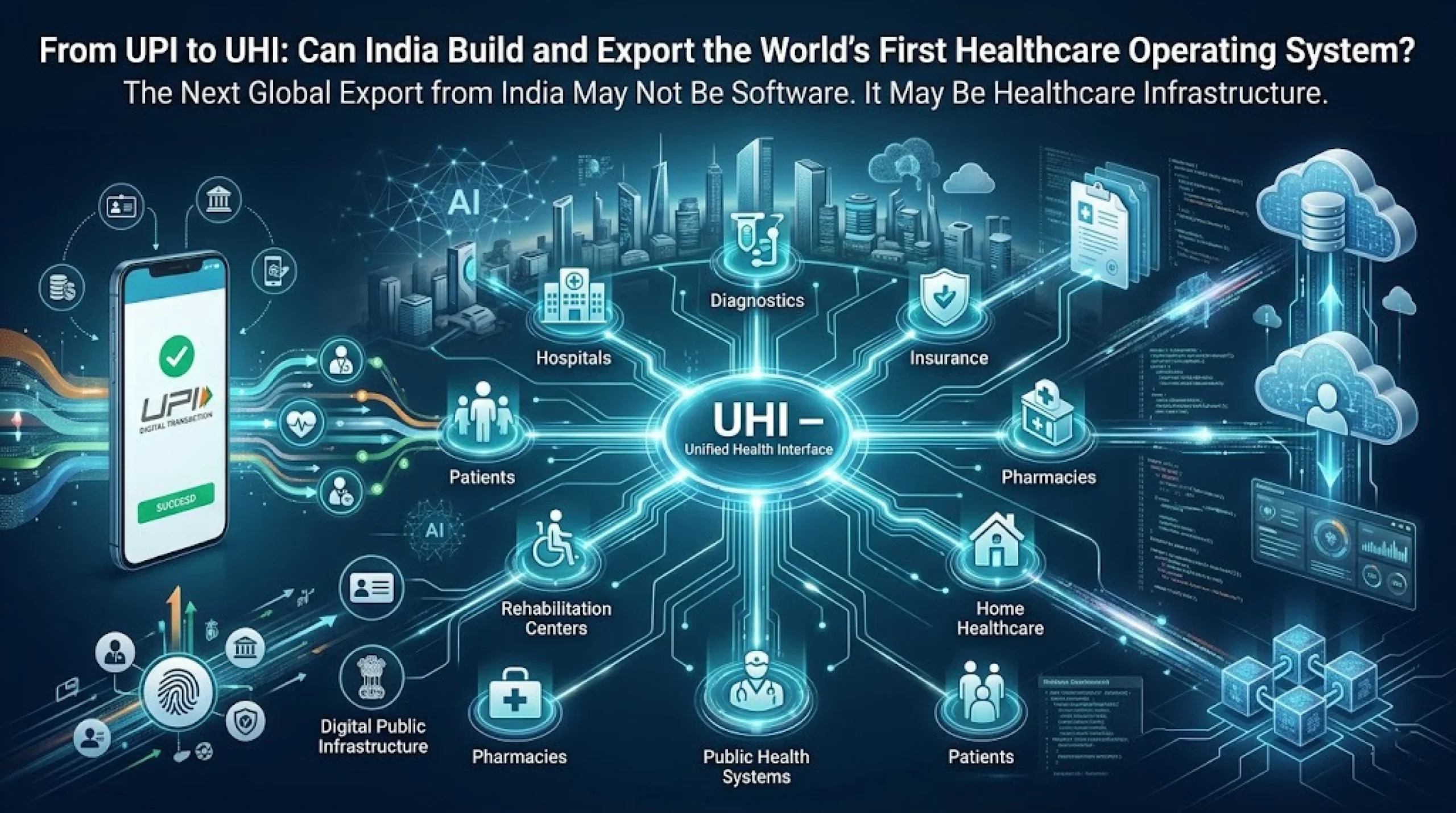
𝗧𝗵𝗲 𝗡𝗲𝘅𝘁 𝗚𝗹𝗼𝗯𝗮𝗹 𝗘𝘅𝗽𝗼𝗿𝘁 𝗳𝗿𝗼𝗺 𝗜𝗻𝗱𝗶𝗮 𝗠𝗮𝘆 𝗡𝗼𝘁 𝗕𝗲 𝗦𝗼𝗳𝘁𝘄𝗮𝗿𝗲. 𝗜𝘁 𝗠𝗮𝘆 𝗕𝗲 𝗛𝗲𝗮𝗹𝘁𝗵𝗰𝗮𝗿𝗲 𝗜𝗻𝗳𝗿𝗮𝘀𝘁𝗿𝘂𝗰𝘁𝘂𝗿𝗲.
India has already demonstrated to the world how digital public infrastructure can transform an entire sector. Through the Unified Payments Interface (UPI), India redefined financial inclusion, enabling billions of seamless transactions and creating a model that countries across the world are now studying and adopting.
Today, a much larger opportunity stands before the nation.
The question is no longer whether India can digitise healthcare.
The real question is: 𝗖𝗮𝗻 𝗜𝗻𝗱𝗶𝗮 𝗯𝘂𝗶𝗹𝗱 𝗮𝗻𝗱 𝗲𝘅𝗽𝗼𝗿𝘁 𝘁𝗵𝗲 𝘄𝗼𝗿𝗹𝗱’𝘀 𝗳𝗶𝗿𝘀𝘁 𝗛𝗲𝗮𝗹𝘁𝗵𝗰𝗮𝗿𝗲 𝗢𝗽𝗲𝗿𝗮𝘁𝗶𝗻𝗴 𝗦𝘆𝘀𝘁𝗲𝗺 (𝗛𝗲𝗮𝗹𝘁𝗵𝗰𝗮𝗿𝗲 𝗢𝗦)?
If successful, India may do for healthcare what it has already done for digital payments—create a scalable, interoperable, population-scale platform that becomes a global blueprint.
𝗨𝗻𝗱𝗲𝗿𝘀𝘁𝗮𝗻𝗱𝗶𝗻𝗴 𝘁𝗵𝗲 𝗛𝗲𝗮𝗹𝘁𝗵𝗰𝗮𝗿𝗲 𝗢𝗽𝗲𝗿𝗮𝘁𝗶𝗻𝗴 𝗦𝘆𝘀𝘁𝗲𝗺
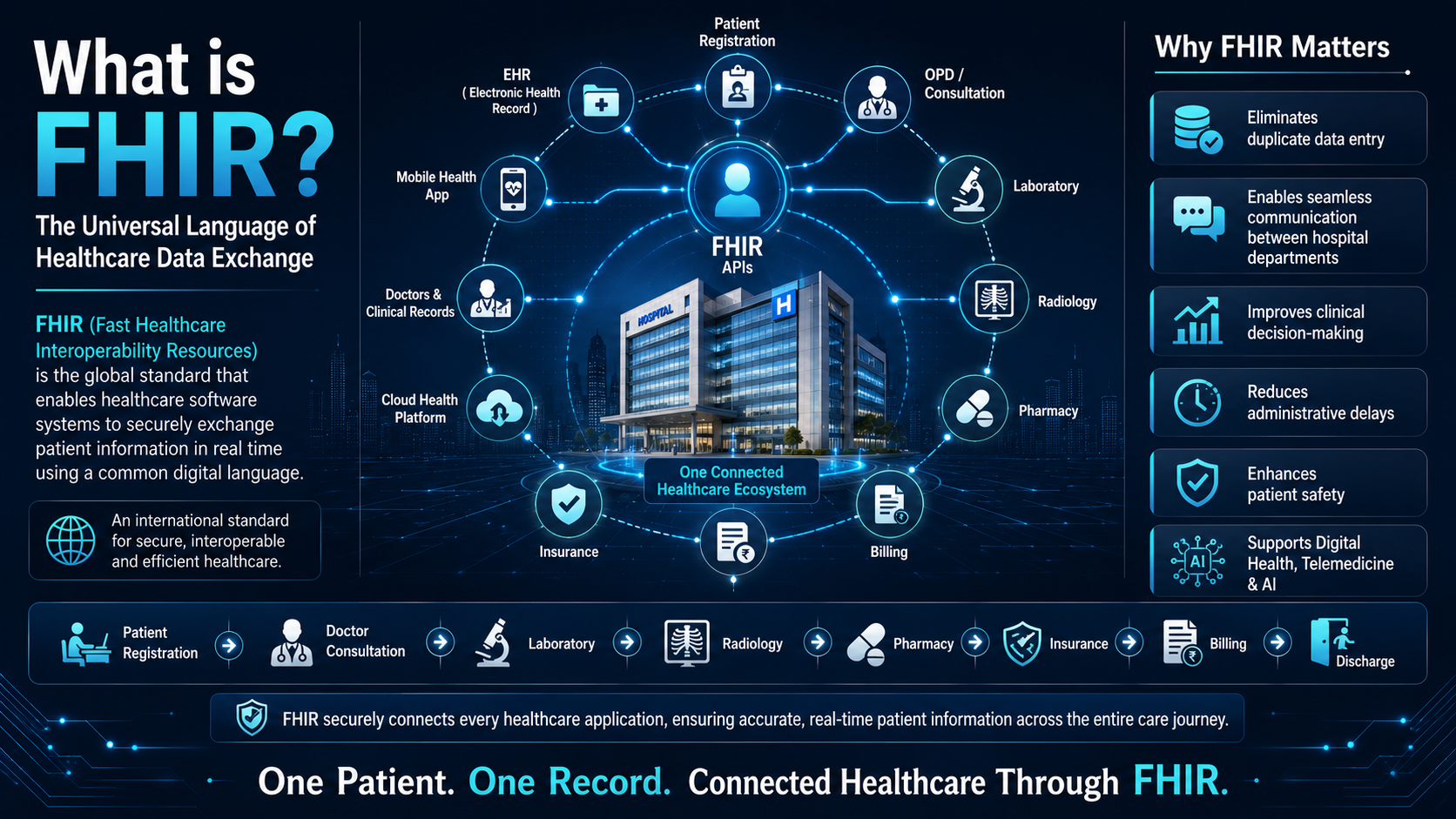
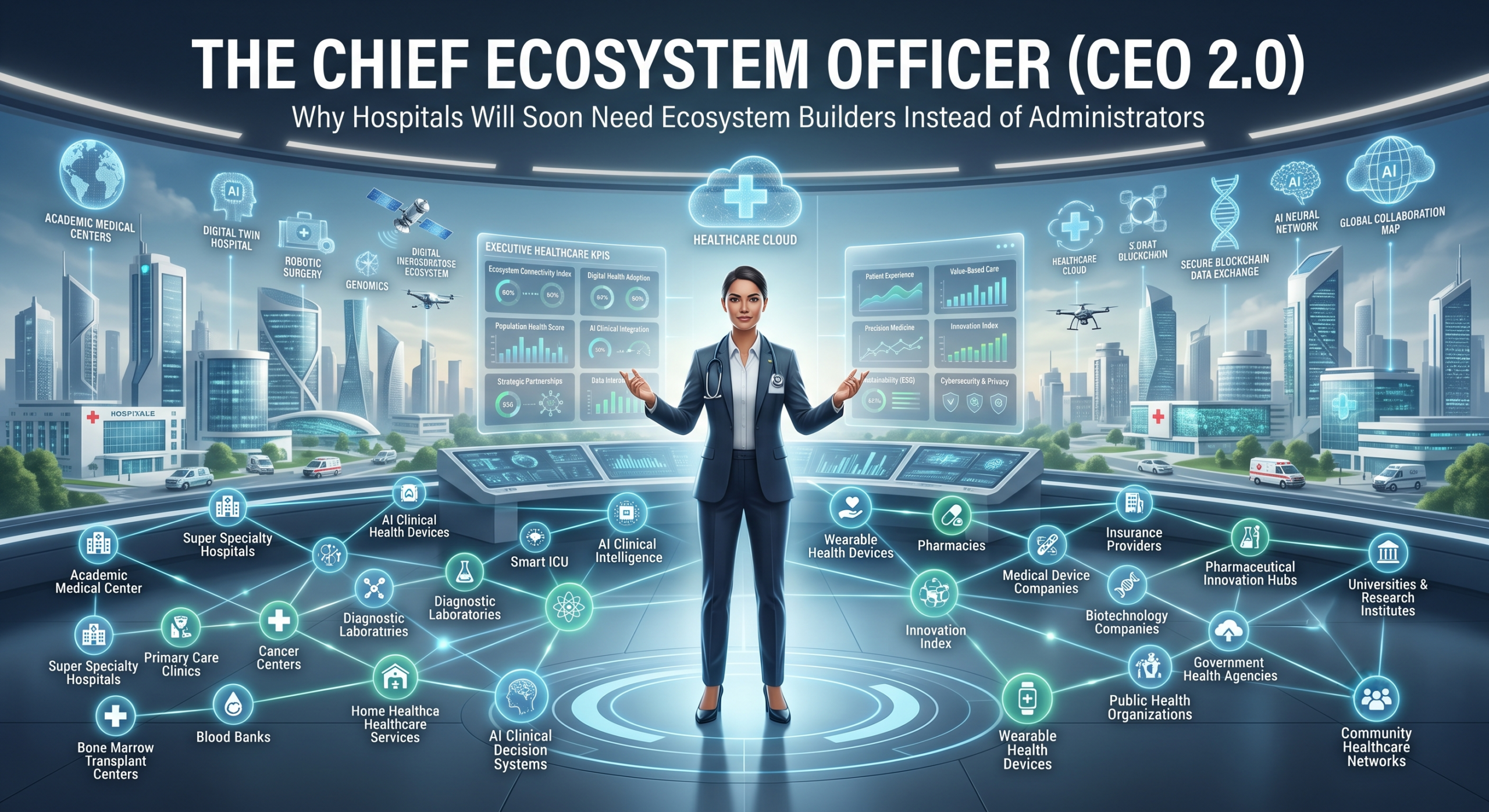
A Healthcare Operating System is not another hospital management software or telemedicine application. It is a foundational digital layer that connects every stakeholder in healthcare through common standards and interoperable protocols.
Imagine a healthcare ecosystem where hospitals, laboratories, pharmacies, insurance providers, rehabilitation centres, home healthcare agencies, and public health systems can securely exchange information in real time. Patients would no longer carry paper records or repeat their medical history at every point of care. Instead, they would have a lifelong digital health identity that travels with them across the healthcare continuum.
The vision is simple yet transformative: 𝗢𝗻𝗲 𝗣𝗮𝘁𝗶𝗲𝗻𝘁. 𝗢𝗻𝗲 𝗛𝗲𝗮𝗹𝘁𝗵 𝗜𝗱𝗲𝗻𝘁𝗶𝘁𝘆. 𝗢𝗻𝗲 𝗖𝗼𝗻𝗻𝗲𝗰𝘁𝗲𝗱 𝗛𝗲𝗮𝗹𝘁𝗵𝗰𝗮𝗿𝗲 𝗘𝗰𝗼𝘀𝘆𝘀𝘁𝗲𝗺.
Why India is Uniquely Positioned
Most countries attempting healthcare digitisation struggle with fragmented systems, legacy infrastructure, and regulatory complexity. India, however, possesses three critical building blocks that make this vision achievable.
ABHA: The Digital Health Identity Layer
The Ayushman Bharat Health Account (ABHA) has already become one of the world’s largest digital health identity initiatives. With over 90 crore digital health IDs created, India has laid the foundation for a patient-centric healthcare ecosystem where individuals own and control their health information.
This is a significant milestone in global healthcare transformation and provides the identity layer required for nationwide interoperability.
Digital Public Infrastructure for Health
India’s success with Digital Public Infrastructure has proven that large-scale inclusion is possible when open and interoperable platforms are created.
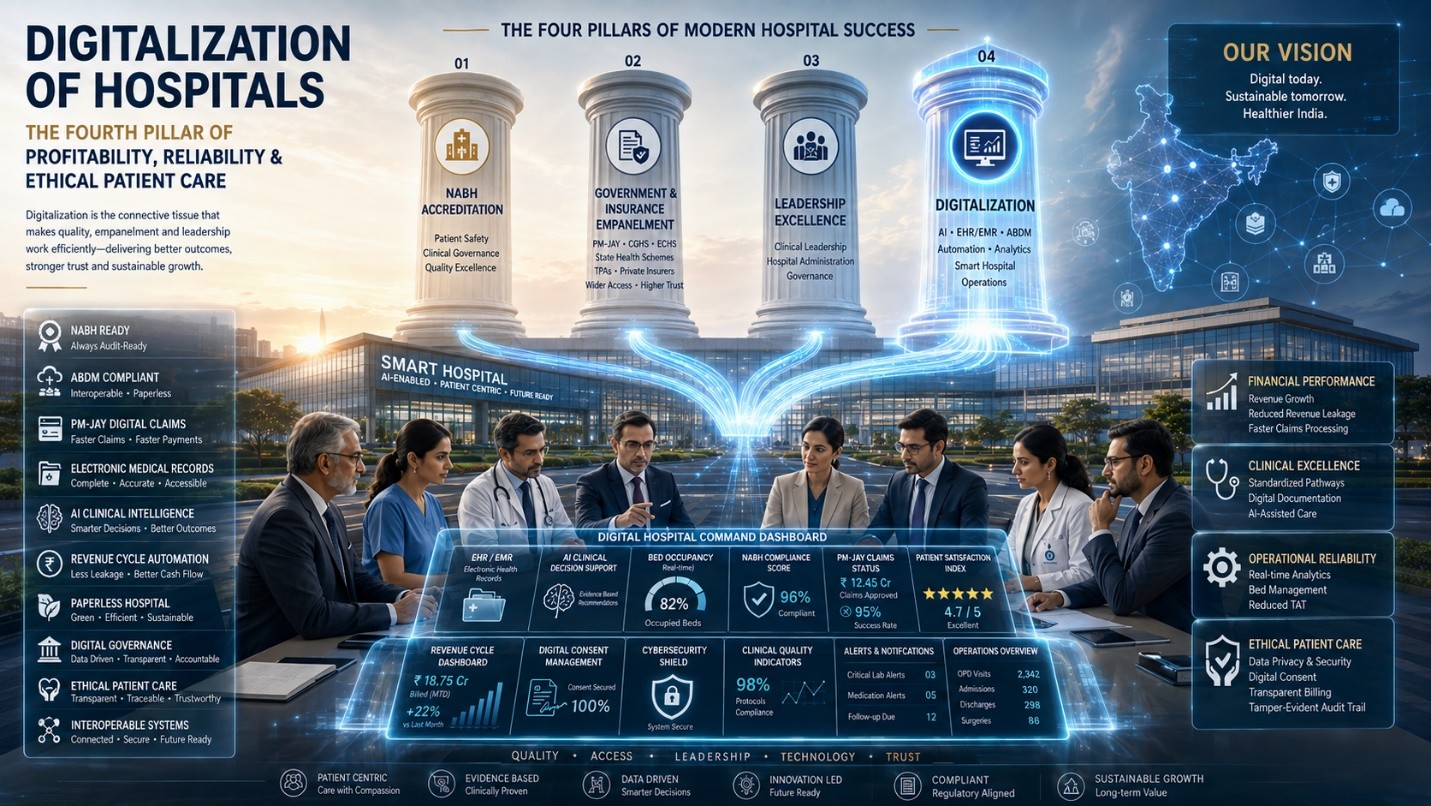
The Ayushman Bharat Digital Mission (ABDM) and the Unified Health Interface (UHI) provide the architecture and protocols needed to connect healthcare providers, payers, and service platforms. If UPI connects banks and payment systems, UHI has the potential to connect healthcare.
India’s Growing AI Ecosystem
India is rapidly emerging as a hub for healthcare innovation. Advances in Artificial Intelligence, predictive analytics, digital diagnostics, remote patient monitoring, and clinical decision-support systems are creating new possibilities for healthcare delivery.
When combined with structured health data and interoperable systems, AI can help healthcare move from reactive treatment to predictive and preventive care, improving outcomes while reducing costs.
The UPI Moment for Healthcare
Before UPI, banking systems operated in silos. Transactions were fragmented, and interoperability was limited. UPI changed that by creating a common digital language for payments.
Healthcare today faces a similar challenge.
Medical records remain scattered. Insurance claims involve extensive paperwork. Diagnostic reports often remain isolated within individual systems. Rehabilitation and home healthcare providers frequently lack access to complete patient information.
A Healthcare Operating System could eliminate these barriers by enabling seamless data exchange and care coordination across the entire healthcare ecosystem.
The Future Vision
Imagine a patient visiting a primary care physician. With consent, the doctor instantly accesses previous medical records, laboratory reports, imaging studies, prescriptions, and treatment history. Insurance approvals happen automatically. Medicines are delivered through connected pharmacy networks. Home healthcare providers receive updated care plans in real time.
Healthcare becomes connected, continuous, and patient-centric.
Beyond individual care, a Healthcare Operating System could create a national health intelligence network to support disease surveillance, predictive public health interventions, resource planning, population health management, and real-time analytics.
For the first time, healthcare systems could proactively manage health rather than simply respond to illness.
Exporting the Blueprint
The significance of this vision extends beyond India.
Countries across Africa, Southeast Asia, Latin America, and the Middle East face similar challenges—fragmented healthcare systems, rising costs, workforce shortages, and limited digital infrastructure.
If India successfully deploys a Healthcare Operating System for 1.4 billion people, it will create a model that many nations can adopt. India could emerge as a global exporter of healthcare digital infrastructure, interoperability frameworks, AI-powered health platforms, governance models, and population health solutions.
The next great healthcare export from India may not be hospitals or medical tourism.
It may be the architecture of healthcare itself.
Conclusion
The world watched India transform digital payments through UPI. Today, it is watching India’s healthcare transformation through ABHA, ABDM, and UHI.
𝗧𝗵𝗲 𝗼𝗽𝗽𝗼𝗿𝘁𝘂𝗻𝗶𝘁𝘆 𝗶𝘀 𝗵𝗶𝘀𝘁𝗼𝗿𝗶𝗰.
By building a population-scale Healthcare Operating System, India can create a connected, intelligent, patient-centric healthcare ecosystem unlike anything seen before. More importantly, it could offer the world a scalable blueprint for the future of healthcare.
From UPI to UHI, India may not simply digitise healthcare.
𝗜𝗻𝗱𝗶𝗮 𝗺𝗮𝘆 𝗱𝗲𝗳𝗶𝗻𝗲 𝘁𝗵𝗲 𝗳𝘂𝘁𝘂𝗿𝗲 𝗼𝗽𝗲𝗿𝗮𝘁𝗶𝗻𝗴 𝘀𝘆𝘀𝘁𝗲𝗺 𝗼𝗳 𝗴𝗹𝗼𝗯𝗮𝗹 𝗵𝗲𝗮𝗹𝘁𝗵𝗰𝗮𝗿𝗲.
By Vijay Sonam – Deputy Director Eminent Haspatal Private Ltd.