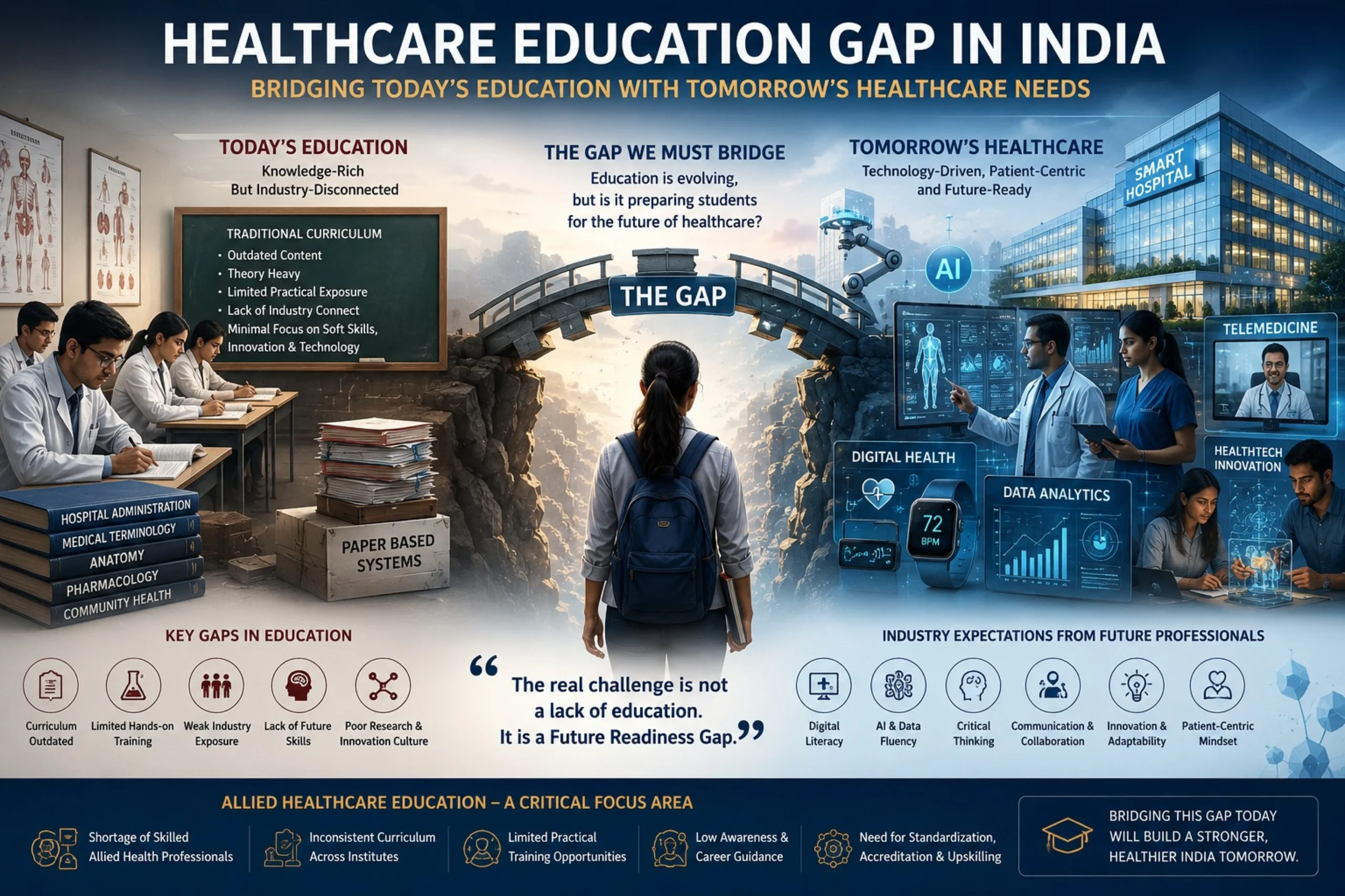

The future of Indian healthcare has never looked more promising. At the same time, it is undergoing a fundamental realignment in strategy, scale, and execution. The increasing participation of global private equity firms such as Blackstone, KKR, and General Atlantic signals strong investor confidence in India’s healthcare potential. This influx of capital will enable robust CAPEX investments, infrastructure expansion, technological advancement, and greater operational resilience across corporate hospital systems.
However, as healthcare grows in scale and sophistication, it must not lose sight of its moral compass. The most critical challenge ahead will be preserving the purity of the doctor–patient relationship in an era of heightened financial accountability. Healthcare must continue to be an empathetic, outcome-driven service rather than a purely commercial transaction. Patients must always be treated as individuals seeking healing and dignity, not as financial line items. Similarly, clinicians must be empowered to prioritize recovery and clinical excellence over short-term financial targets. The future will belong to institutions that master this delicate balance—where financial sustainability and human compassion coexist in harmony.
Equally encouraging is the rapid expansion of quality and accreditation frameworks into Tier-2 and Tier-3 cities. Initiatives such as NABH MITRA and NABH GUNVATTA are catalysing a culture of standardization, patient safety, and continuous improvement in smaller healthcare facilities. These efforts align strongly with the national vision of Viksit Bharat 2047, ensuring that quality healthcare is not confined to metropolitan India. The entry of international accreditation bodies such as AACI—agnostic to hospital size, structure, or geography—further strengthens India’s positioning as a global hub for medical tourism, delivering world-class care at competitive costs.
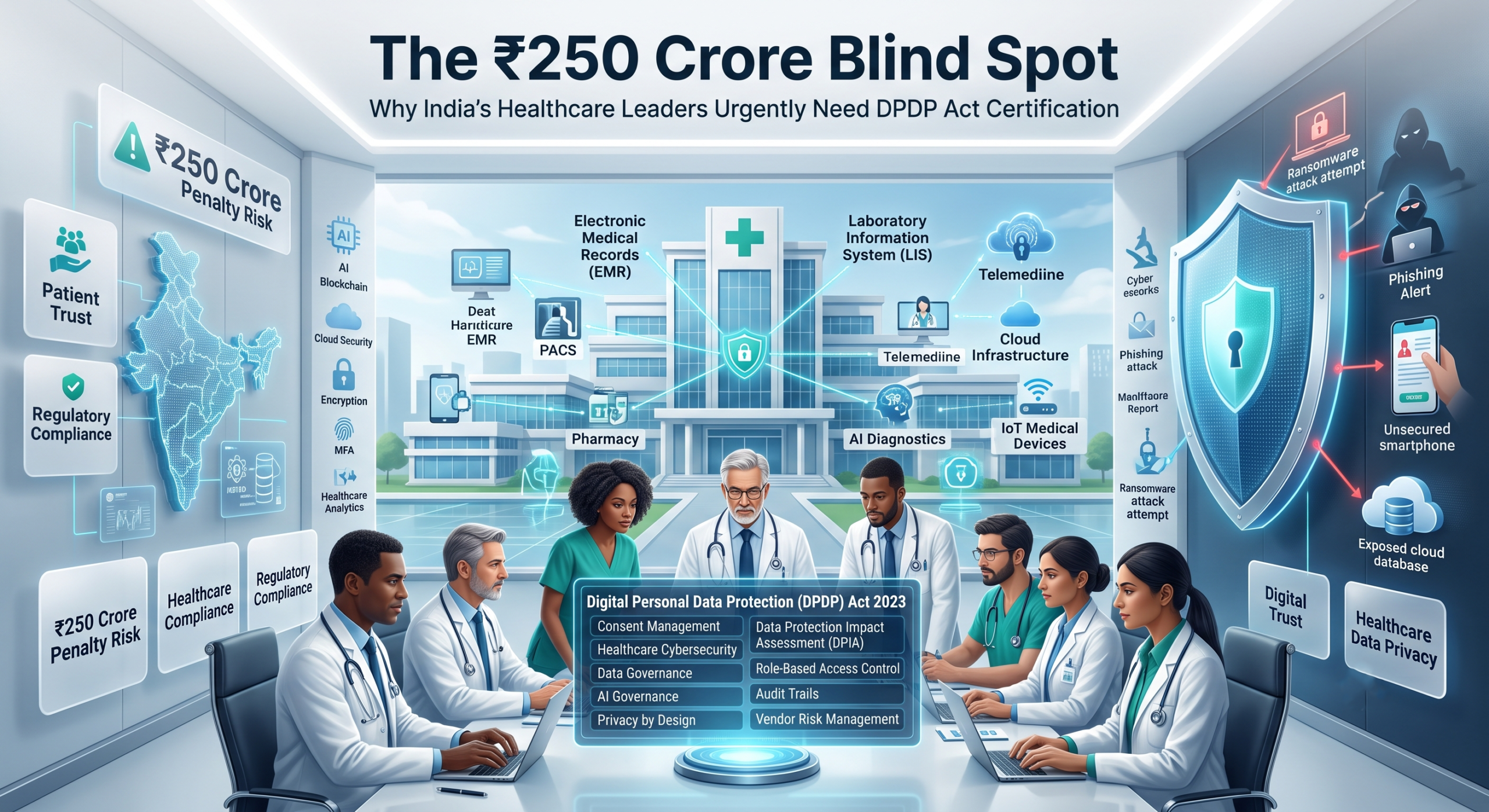
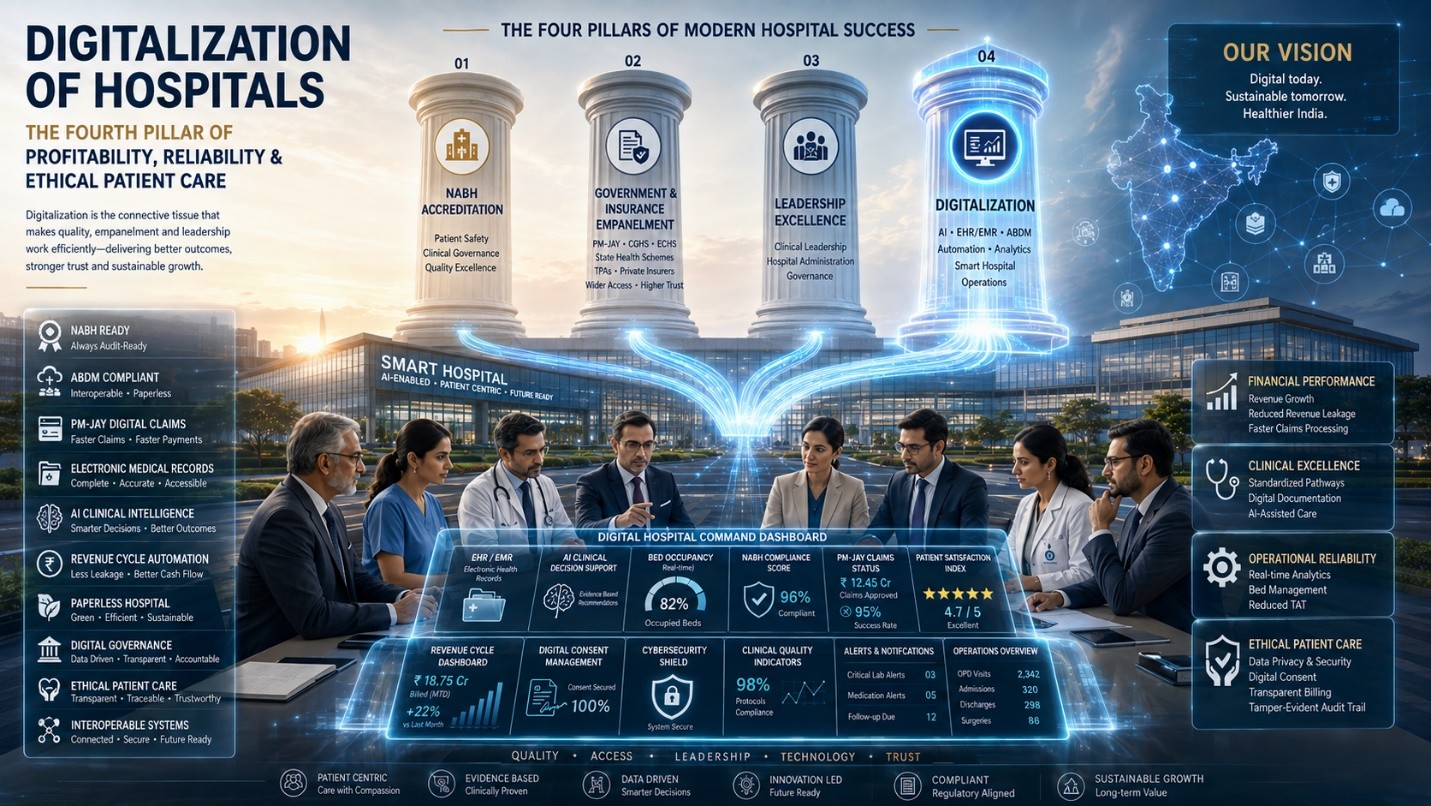
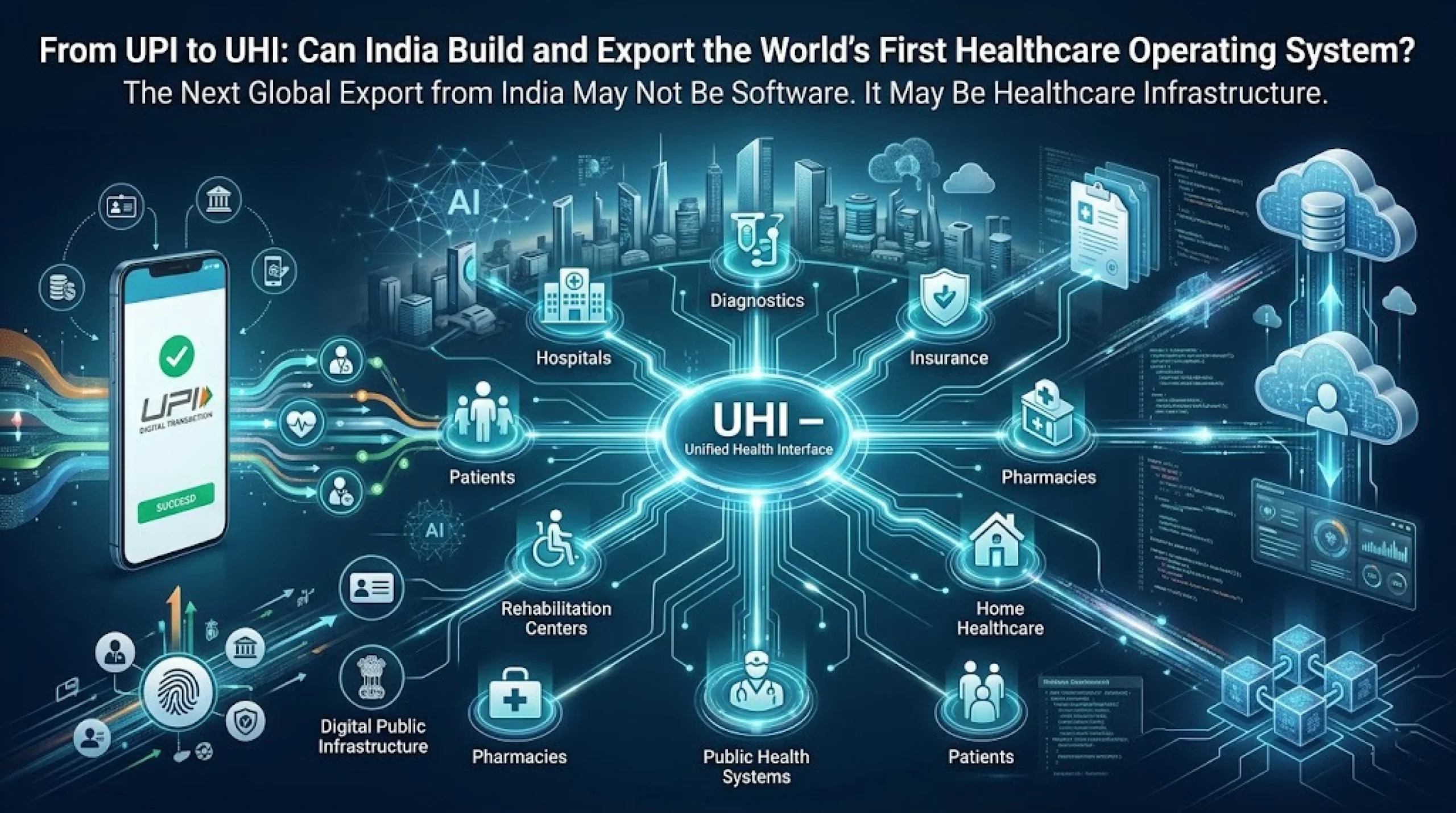
The most transformative shift, however, will be the universal adoption of Digital Health. Digitalization will no longer be optional or transitional; it will become foundational. With regulatory enablers such as the Digital Personal Data Protection (DPDP) Act and structured online documentation frameworks, healthcare systems will transition toward fully integrated digital ecosystems. Electronic Medical Records, interoperable diagnostic platforms, and telehealth solutions will redefine accessibility, continuity, and efficiency of care. The rules are already in place—execution will define leadership.
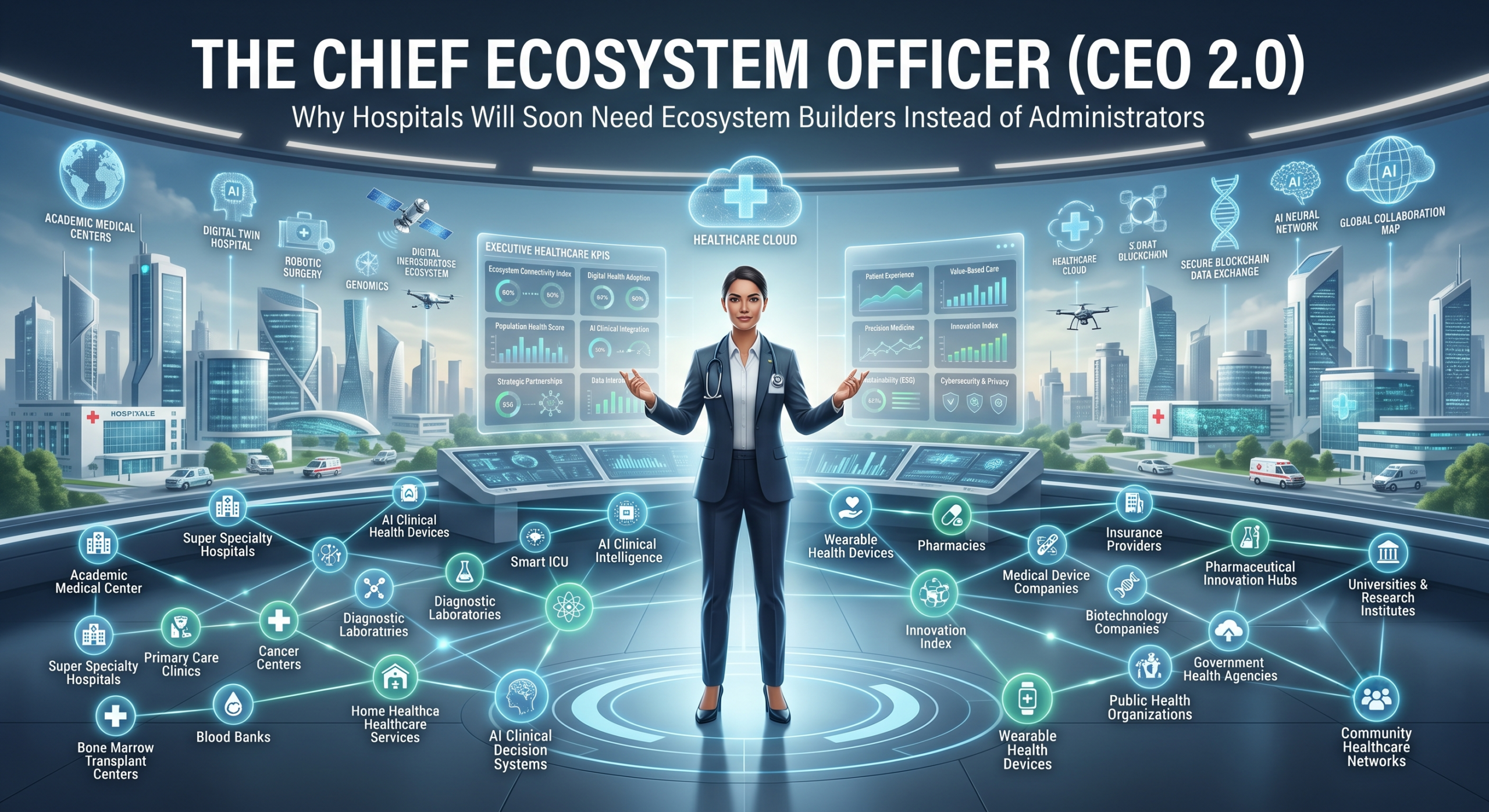
As healthcare governance evolves, the role of professional administrators and data-driven leadership will become increasingly central. The future will see a strategic shift away from indiscriminate bed expansion toward smarter performance optimization—enhancing average revenue per occupied bed, improving OPD-to-IPD conversion, and strengthening pharmacy and ancillary services in a sustainable manner. Operational excellence, clinical outcomes, and patient experience will outperform traditional marketing, as trust and results become the strongest brand ambassadors.
Indian healthcare is entering an era of maturity—one that demands scale with sensitivity, growth with governance, and innovation with integrity. Those who lead this transformation will not merely build larger institutions; they will shape a healthcare ecosystem worthy of the nation’s aspirations. At the end I will conclude with the following quote:
‘The future of Indian healthcare: Scalable in size, humane in spirit.’
By- Arjun Mehra CEO Tagore Hospital and Heart Care Center, Jalandhar