
Healthcare leadership is approaching a structural reset. Over the next three decades, healthcare will change where care happens, how decisions are made, how work is organised, how healthcare is financed, and what society expects from institutions. “𝘛𝘩𝘦 𝘲𝘶𝘦𝘴𝘵𝘪𝘰𝘯 𝘪𝘴 𝘸𝘩𝘦𝘵𝘩𝘦𝘳 𝘭𝘦𝘢𝘥𝘦𝘳𝘴 𝘤𝘢𝘯 𝘤𝘰𝘯𝘵𝘪𝘯𝘶𝘰𝘶𝘴𝘭𝘺 𝘳𝘦𝘥𝘦𝘴𝘪𝘨𝘯 𝘵𝘩𝘦𝘮𝘴𝘦𝘭𝘷𝘦𝘴 𝘢𝘯𝘥 𝘵𝘩𝘦𝘪𝘳 𝘰𝘳𝘨𝘢𝘯𝘪𝘴𝘢𝘵𝘪𝘰𝘯𝘴 𝘢𝘴 𝘤𝘰𝘮𝘱𝘭𝘦𝘹𝘪𝘵𝘺 𝘢𝘤𝘤𝘦𝘭𝘦𝘳𝘢𝘵𝘦𝘴.
The 𝗙𝘂𝘁𝘂𝗿𝗲 𝗛𝗲𝗮𝗹𝘁𝗵𝗰𝗮𝗿𝗲 𝗟𝗲𝗮𝗱𝗲𝗿𝘀𝗵𝗶𝗽 𝗚𝗲𝗻𝗼𝗺𝗲 is a leadership competency architecture for 𝟮𝟬𝟮𝟲–𝟮𝟬𝟱𝟲. Unlike a checklist, a genome is integrated and adaptive. Its capabilities must combine and strengthen as systems evolve.
𝗪𝗵𝘆 𝘁𝗵𝗲 𝗢𝗹𝗱 𝗟𝗲𝗮𝗱𝗲𝗿𝘀𝗵𝗶𝗽 𝗠𝗼𝗱𝗲𝗹 𝗜𝘀 𝗜𝗻𝘀𝘂𝗳𝗳𝗶𝗰𝗶𝗲𝗻𝘁
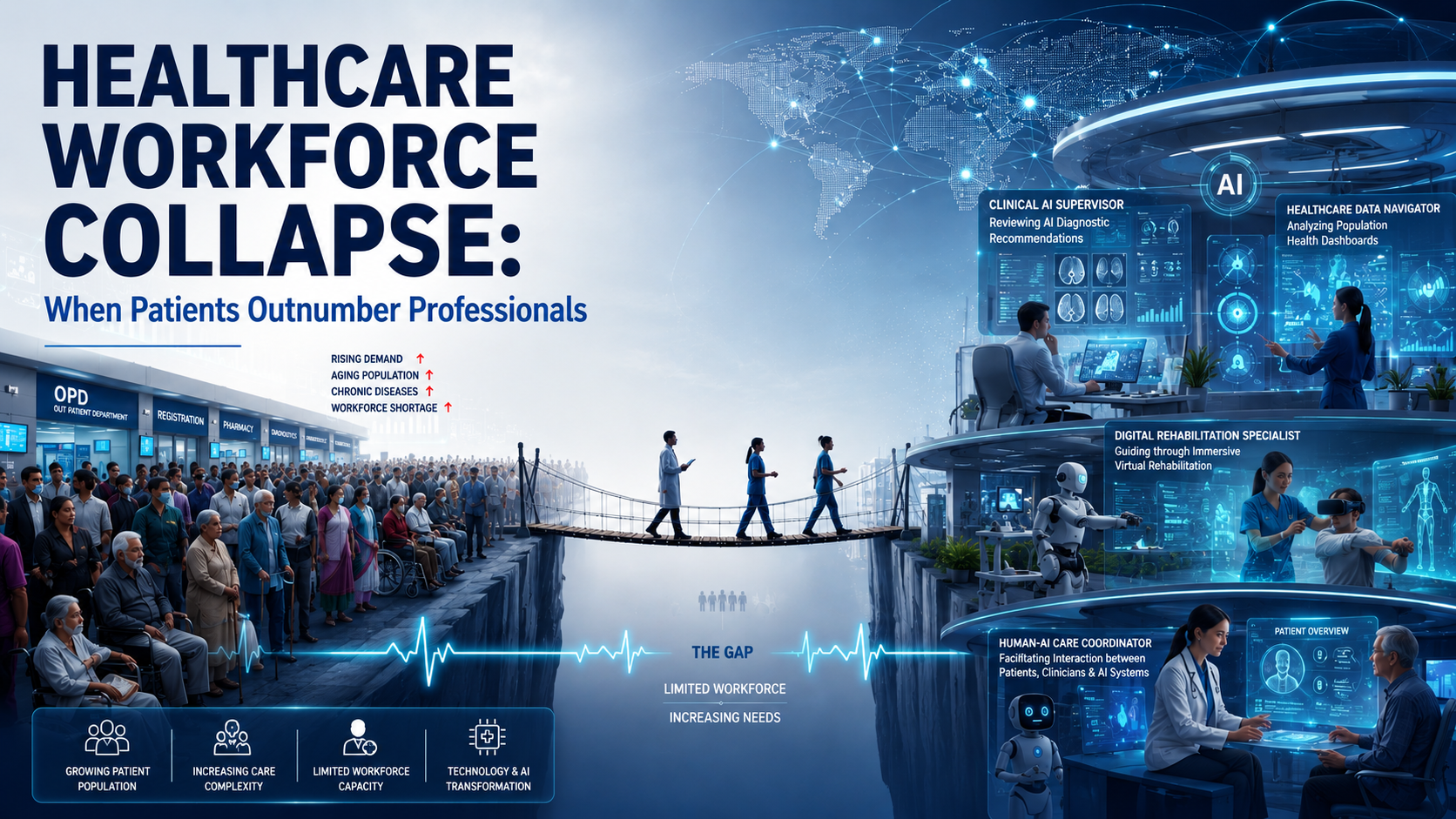
WHO projects a global health-worker shortfall of approximately 𝟭𝟭 𝗺𝗶𝗹𝗹𝗶𝗼𝗻 by 𝟮𝟬𝟯𝟬. The challenge is to increase workforce productivity, resilience, and reach without compromising human-centred care.
The 𝗪𝗼𝗿𝗹𝗱 𝗘𝗰𝗼𝗻𝗼𝗺𝗶𝗰 𝗙𝗼𝗿𝘂𝗺’𝘀 𝗙𝘂𝘁𝘂𝗿𝗲 of 𝗝𝗼𝗯𝘀 𝗥𝗲𝗽𝗼𝗿𝘁 𝟮𝟬𝟮𝟱 reinforces continuous capability development. AI and big data, networks and cybersecurity, and technological literacy are among the fastest-growing skill areas, while analytical thinking, resilience and leadership remain critical.
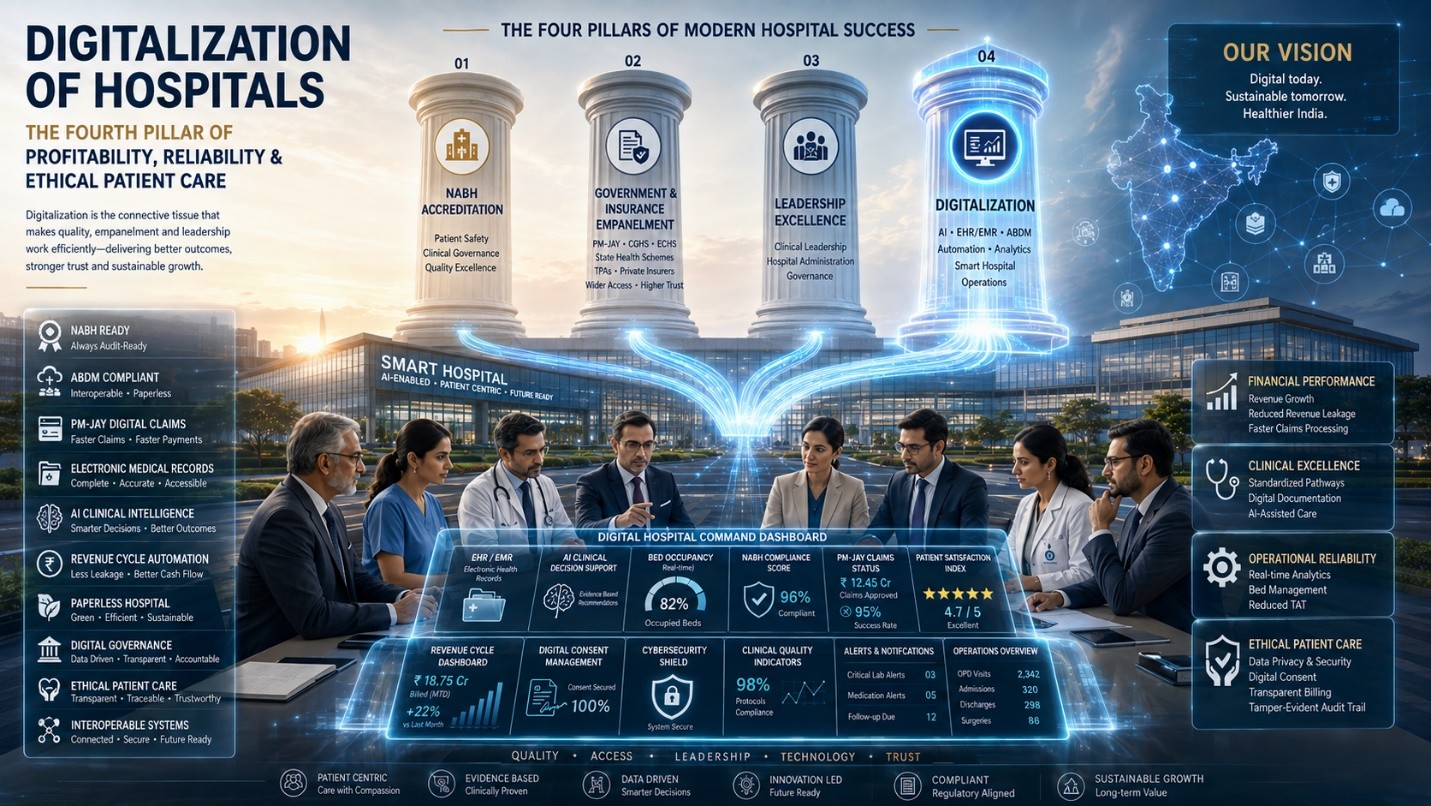
Healthcare is also becoming increasingly interconnected. In India, 𝗔𝗕-𝗣𝗠𝗝𝗔𝗬 had authorised 𝟭𝟮.𝟲𝟵 𝗰𝗿𝗼𝗿𝗲 cashless hospital admissions worth ₹𝟭.𝟵𝟮 𝗹𝗮𝗸𝗵 𝗰𝗿𝗼𝗿𝗲 through 𝟯𝟳,𝟰𝟭𝟯 𝗵𝗼𝘀𝗽𝗶𝘁𝗮𝗹𝘀 by 30 June 2026. Such scale requires leaders who can connect financing, clinical delivery, technology, regulation, access and population needs.
𝗧𝗵𝗲 𝗦𝗶𝘅 𝗚𝗲𝗻𝗲 𝗖𝗹𝘂𝘀𝘁𝗲𝗿𝘀:
𝟭. 𝗖𝗹𝗶𝗻𝗶𝗰𝗮𝗹–𝗦𝘆𝘀𝘁𝗲𝗺𝘀 𝗙𝗹𝘂𝗲𝗻𝗰𝘆: Future leaders must understand clinical care and systems strategy as one architecture. Clinical quality, patient safety, operations, finance and outcomes must connect across the ward and the boardroom.
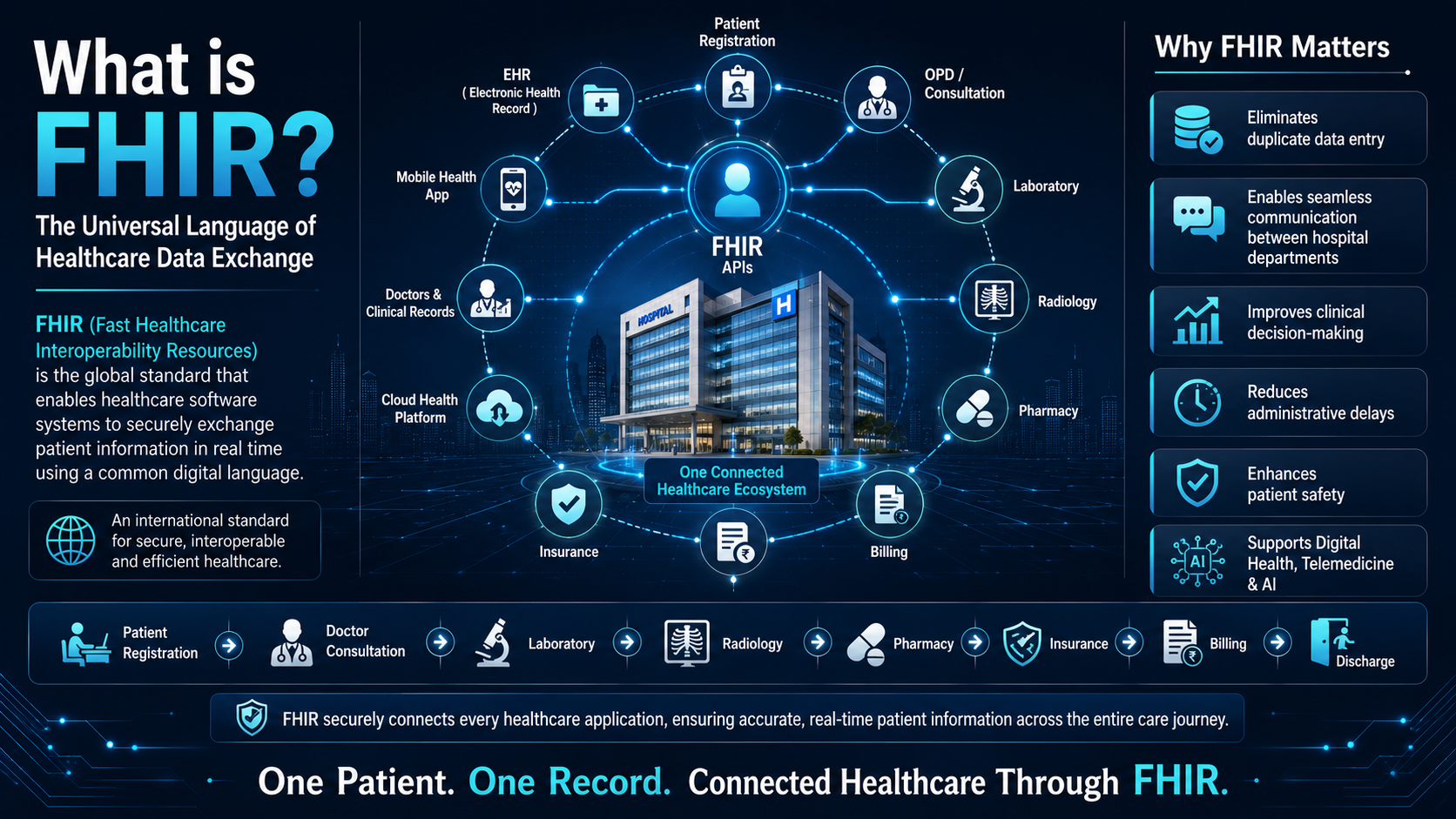
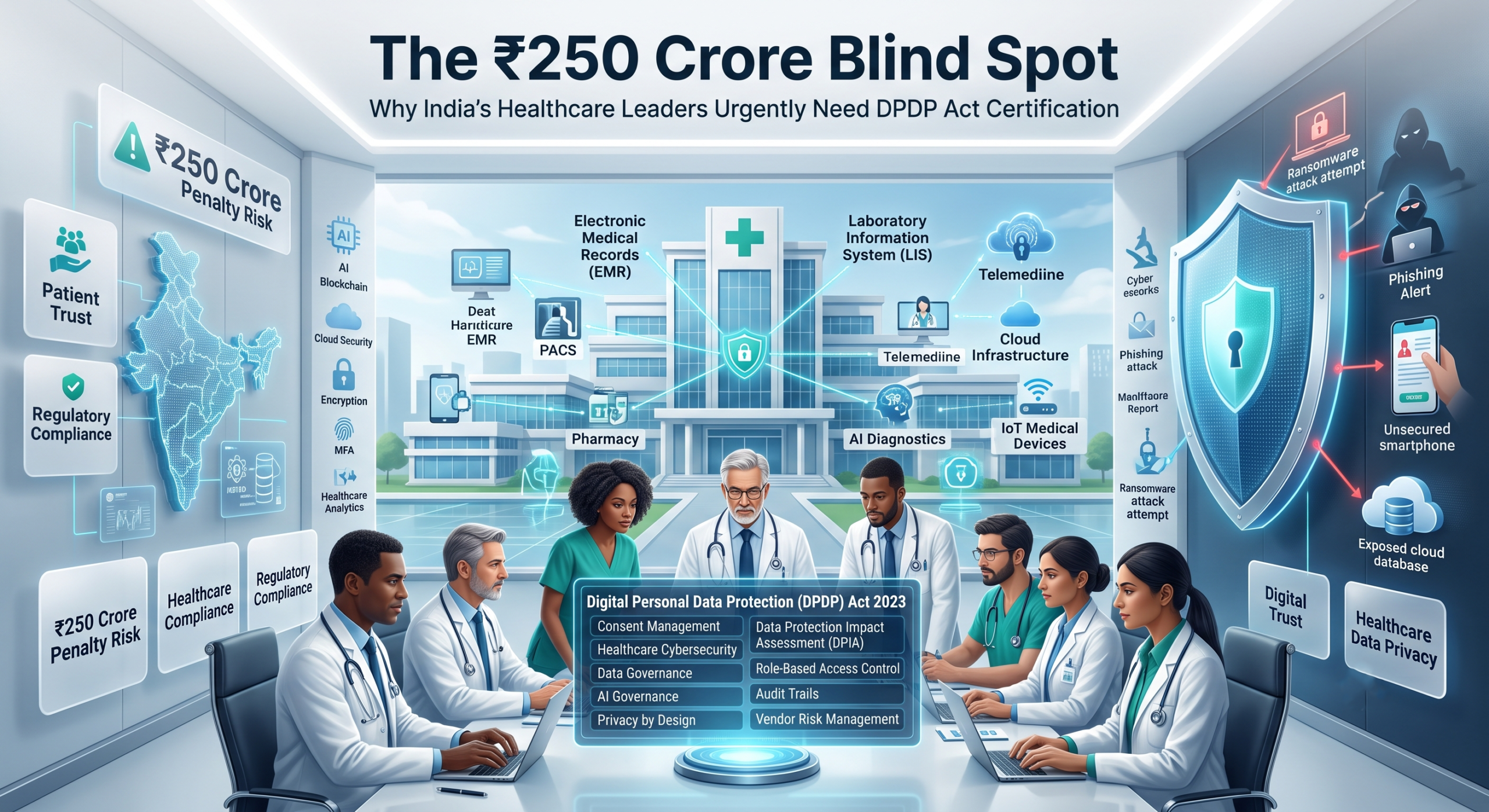
𝟮. 𝗗𝗶𝗴𝗶𝘁𝗮𝗹 & 𝗔𝗜 𝗚𝗼𝘃𝗲𝗿𝗻𝗮𝗻𝗰𝗲: Digital literacy is no longer an IT responsibility. Leaders must understand AI, data architecture, interoperability, cybersecurity, automation and algorithmic accountability—and recognise when technology should not be used. The future leader becomes an ethical governor of machine-enabled healthcare, protecting trust, privacy, equity and clinical judgment.
𝟯. 𝗩𝗮𝗹𝘂𝗲 & 𝗙𝗶𝗻𝗮𝗻𝗰𝗶𝗻𝗴 𝗔𝗿𝗰𝗵𝗶𝘁𝗲𝗰𝘁𝘂𝗿𝗲: Healthcare growth will increasingly involve public programmes, insurance, philanthropy, private capital, blended financing and outcome-linked models. Leaders must understand capital allocation and value creation while keeping affordability and clinical outcomes visible in the same decision. The shift is from managing budgets to designing sustainable healthcare value systems.
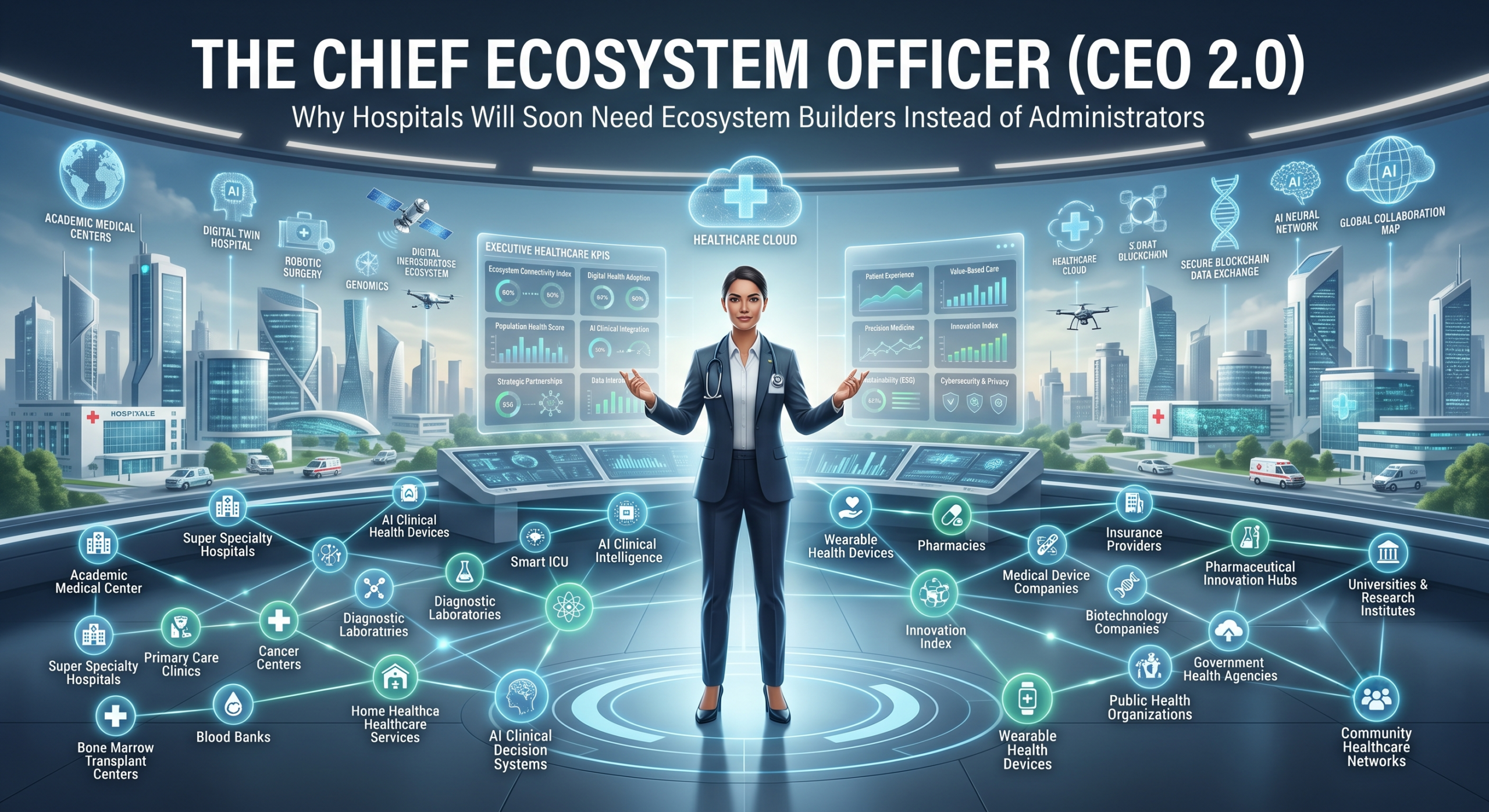
𝟰. 𝗥𝗲𝗴𝘂𝗹𝗮𝘁𝗼𝗿𝘆 & 𝗘𝗰𝗼𝘀𝘆𝘀𝘁𝗲𝗺 𝗡𝗮𝘃𝗶𝗴𝗮𝘁𝗶𝗼𝗻: The fortress-hospital model is giving way to connected ecosystems involving government, hospitals, primary care, diagnostics, medtech, academia, insurers, technology companies and communities. Future leaders must orchestrate partnerships across institutional boundaries rather than optimise a single facility.
𝟱. 𝗛𝘂𝗺𝗮𝗻-𝗖𝗲𝗻𝘁𝗿𝗲𝗱 𝗘𝗾𝘂𝗶𝘁𝘆 𝗟𝗲𝗮𝗱𝗲𝗿𝘀𝗵𝗶𝗽: Technology can extend capacity, but trust remains human. Leaders must embed psychological safety, workforce engagement, patient experience, community access and health equity into operating models. The objective is care that remains humane and inclusive.
𝟲. 𝗔𝗱𝗮𝗽𝘁𝗶𝘃𝗲 𝗥𝗲𝘀𝗶𝗹𝗶𝗲𝗻𝗰𝗲 & 𝗙𝗼𝗿𝗲𝘀𝗶𝗴𝗵𝘁: The next disruption may be a pandemic, cyberattack, climate event, supply-chain failure or geopolitical shock. Scenario planning, cognitive resilience, rapid learning, unlearning and strategic foresight must become core executive capabilities. Transformation must become an organisational operating condition.
𝗙𝗿𝗼𝗺 𝗦𝗶𝘅 𝗖𝗹𝘂𝘀𝘁𝗲𝗿𝘀 𝘁𝗼 𝟭𝟬𝗫 𝗖𝗮𝗽𝗮𝗯𝗶𝗹𝗶𝘁𝘆
Together, these clusters encompass ten capabilities: strategic foresight, AI and digital fluency, human-centred leadership, clinical-business intelligence, ecosystem thinking, responsible innovation, workforce architecture, crisis intelligence, entrepreneurship, and purpose, equity and societal impact.
The 𝟭𝟬𝗫 𝗽𝗿𝗶𝗻𝗰𝗶𝗽𝗹𝗲 is not about working ten times harder. It is about creating greater leverage by combining people, data, technology, partnerships and capital.
𝗧𝗵𝗲 𝗧𝗶𝗲𝗿 𝟮 𝗮𝗻𝗱 𝗧𝗶𝗲𝗿 𝟯 𝗧𝗲𝘀𝘁
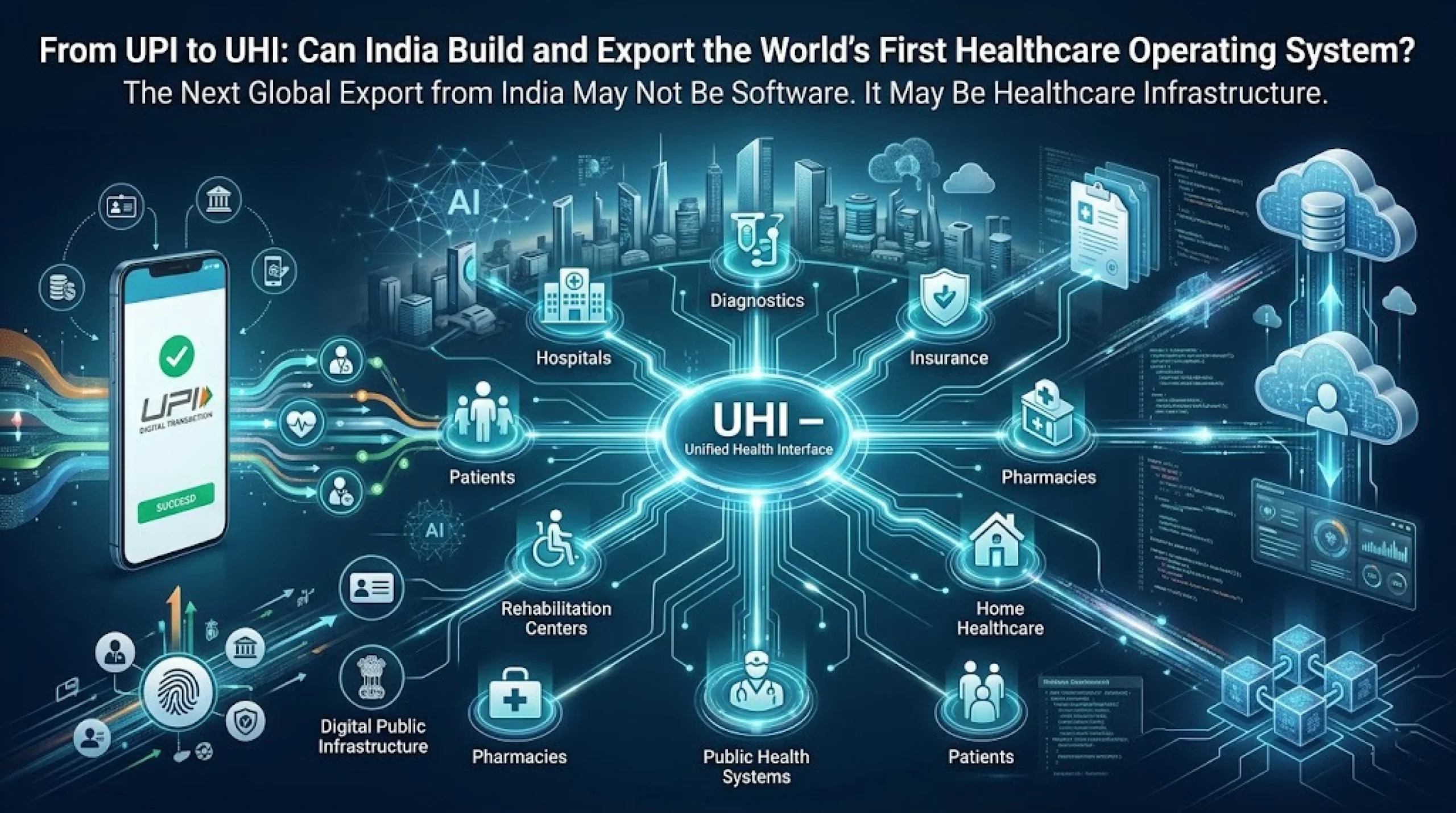
India’s Tier 2 and Tier 3 markets may become the proving ground for this model. These regions must expand access while dealing with workforce constraints, uneven infrastructure, affordability pressures and rapidly rising digital expectations. The leadership challenge is therefore fundamentally different from simply building more hospitals. A future-ready regional healthcare leader may need to design an integrated ecosystem linking hospitals, diagnostics, primary care, telemedicine, home care, digital health, medical education, government schemes and local communities. This is where the Genome moves from theory to operating reality.
𝗧𝗵𝗲 𝟮𝟬𝟮𝟲–𝟮𝟬𝟱𝟲 𝗟𝗲𝗮𝗱𝗲𝗿𝘀𝗵𝗶𝗽 𝗦𝗵𝗶𝗳𝘁
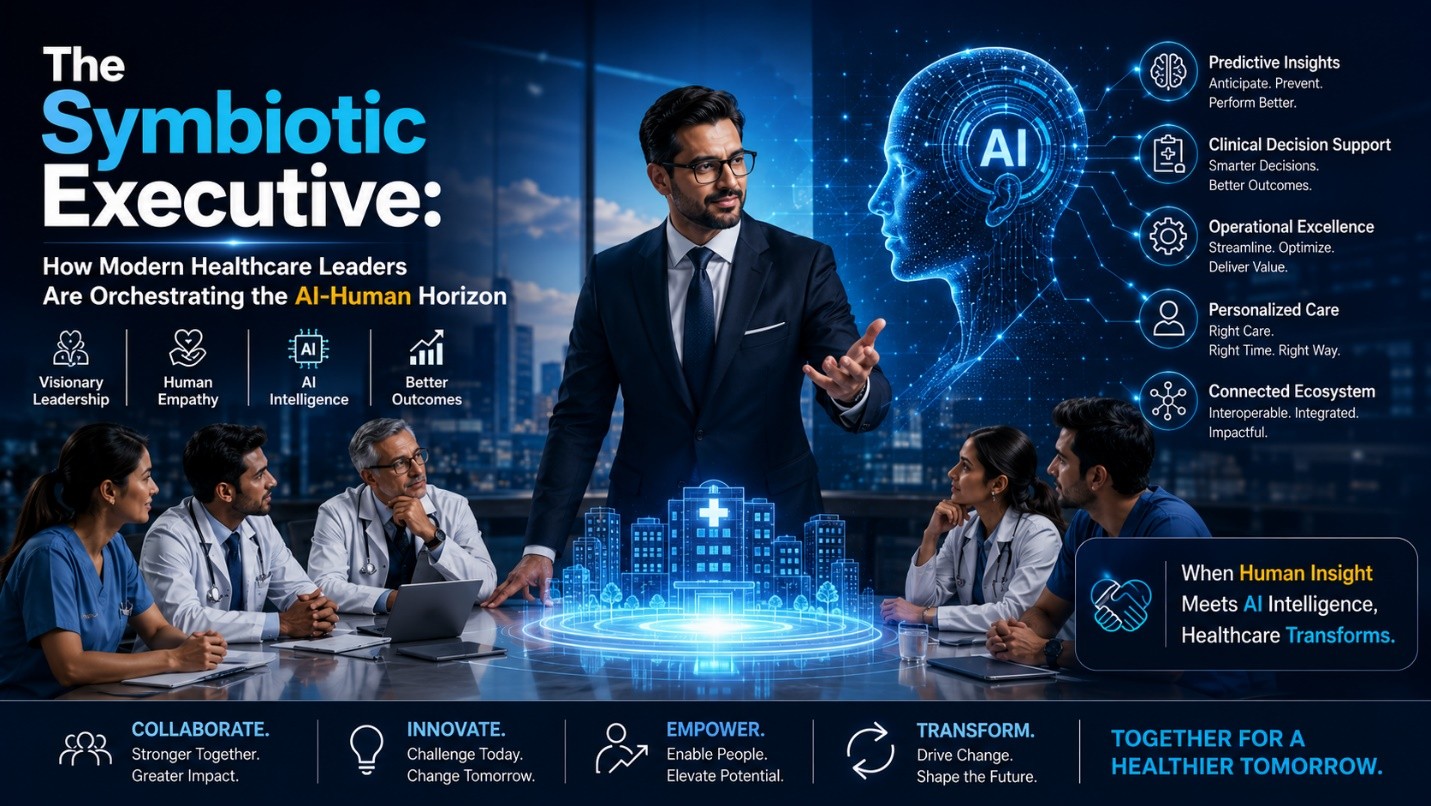
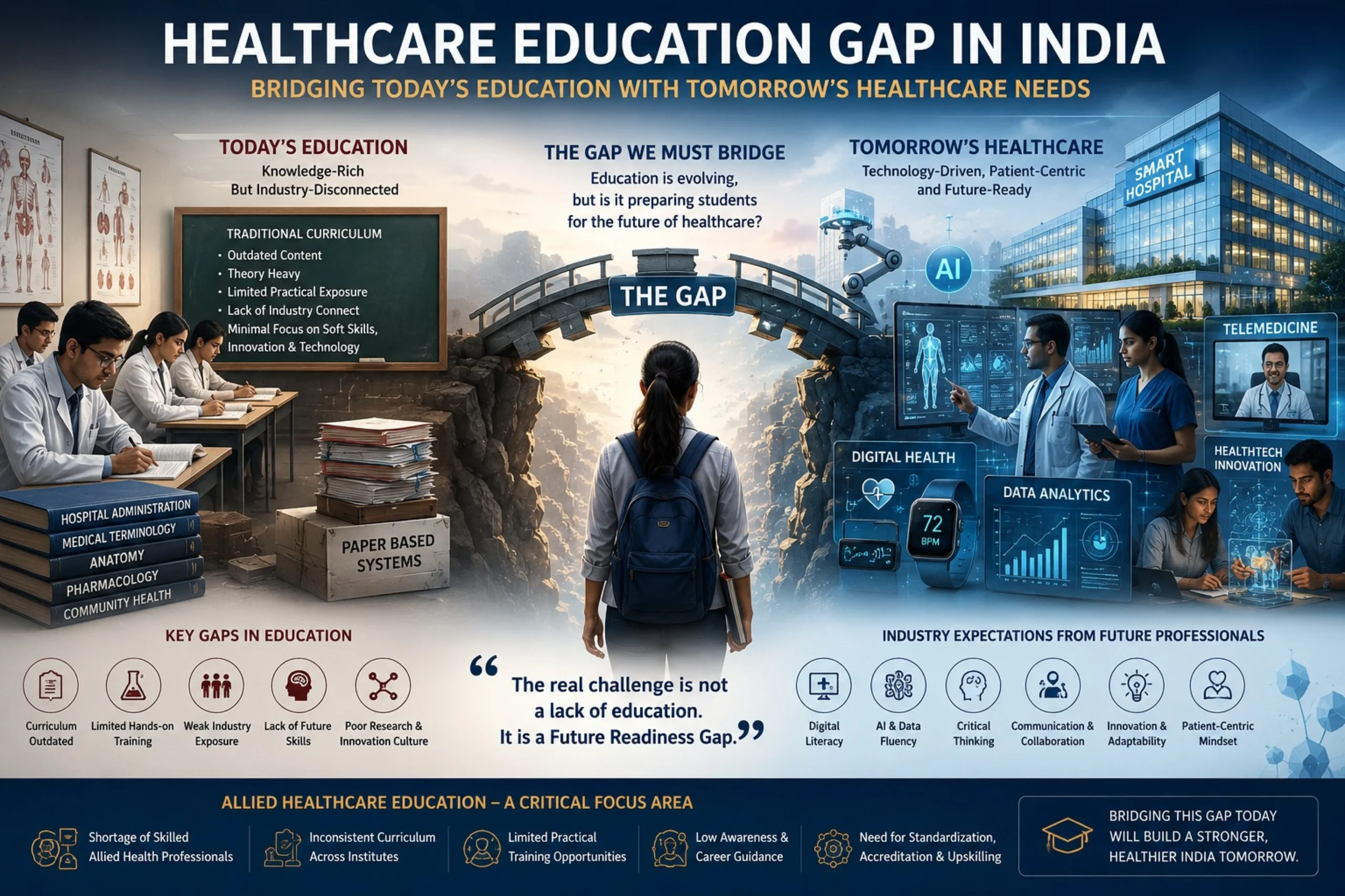
Traditional leadership is facility-centric; the future is ecosystem-centric. Technology moves from support to AI co-pilot with human accountability. Change moves from a project to continuous transformation. Linear careers give way to continuously evolving capabilities. Institutional performance expands toward population and organisational value. Crisis response becomes resilience and scenario foresight. Competition between silos becomes ecosystem orchestration.
𝗧𝗵𝗲 𝗟𝗲𝗮𝗱𝗲𝗿𝘀𝗵𝗶𝗽 𝗧𝗲𝘀𝘁 𝗳𝗼𝗿 𝟮𝟬𝟱𝟲
By 2056, the most successful healthcare organisations may not simply be the largest, best funded or most technologically advanced. They may be those whose leaders integrate intelligence with empathy, innovation with ethics, speed with resilience, and growth with equity.
𝙏𝙝𝙚 𝙁𝙪𝙩𝙪𝙧𝙚 𝙃𝙚𝙖𝙡𝙩𝙝𝙘𝙖𝙧𝙚 𝙇𝙚𝙖𝙙𝙚𝙧𝙨𝙝𝙞𝙥 𝙂𝙚𝙣𝙤𝙢𝙚 𝙞𝙨 𝙣𝙤𝙩 𝙖 𝙥𝙧𝙚𝙙𝙞𝙘𝙩𝙞𝙤𝙣 𝙤𝙛 𝙬𝙝𝙖𝙩 𝙝𝙚𝙖𝙡𝙩𝙝𝙘𝙖𝙧𝙚 𝙡𝙚𝙖𝙙𝙚𝙧𝙨 𝙬𝙞𝙡𝙡 𝙗𝙚𝙘𝙤𝙢𝙚. 𝙄𝙩 𝙞𝙨 𝙖 𝙘𝙝𝙖𝙡𝙡𝙚𝙣𝙜𝙚 𝙩𝙤 𝙬𝙝𝙖𝙩 𝙩𝙝𝙚𝙮 𝙢𝙪𝙨𝙩 𝙗𝙚𝙜𝙞𝙣 𝙙𝙚𝙫𝙚𝙡𝙤𝙥𝙞𝙣𝙜 𝙣𝙤𝙬. 𝙃𝙚𝙖𝙡𝙩𝙝𝙘𝙖𝙧𝙚 𝙙𝙤𝙚𝙨 𝙣𝙤𝙩 𝙣𝙚𝙚𝙙 𝙢𝙤𝙧𝙚 𝙡𝙚𝙖𝙙𝙚𝙧𝙨 𝙩𝙧𝙖𝙞𝙣𝙚𝙙 𝙤𝙣𝙡𝙮 𝙛𝙤𝙧 𝙮𝙚𝙨𝙩𝙚𝙧𝙙𝙖𝙮’𝙨 𝙤𝙥𝙚𝙧𝙖𝙩𝙞𝙣𝙜 𝙢𝙤𝙙𝙚𝙡. 𝙄𝙩 𝙣𝙚𝙚𝙙𝙨 𝙫𝙞𝙨𝙞𝙤𝙣𝙖𝙧𝙮 𝙖𝙧𝙘𝙝𝙞𝙩𝙚𝙘𝙩𝙨 𝙘𝙖𝙥𝙖𝙗𝙡𝙚 𝙤𝙛 𝙙𝙚𝙨𝙞𝙜𝙣𝙞𝙣𝙜 𝙩𝙤𝙢𝙤𝙧𝙧𝙤𝙬’𝙨 𝙝𝙚𝙖𝙡𝙩𝙝 𝙨𝙮𝙨𝙩𝙚𝙢𝙨.
𝗖𝗼𝗻𝗰𝗹𝘂𝘀𝗶𝗼𝗻
Leadership development is a strategic healthcare-system capability. The next generation must work across clinical, technological, financial, regulatory and societal boundaries—and continuously evolve as those boundaries change.
Technology will shape healthcare’s future. Leadership will shape how that technology is governed, how ecosystems connect, and whether humanity remains at the centre. – 𝘽𝙮 𝙈𝙧 𝙑𝙞𝙟𝙖𝙮 𝙎𝙤𝙣𝙖𝙢, 𝘾𝙤-𝙁𝙤𝙪𝙣𝙙𝙚𝙧, 𝙃𝙚𝙖𝙡𝙩𝙝𝙘𝙖𝙧𝙚 𝙇𝙚𝙖𝙙𝙚𝙧𝙨 𝘾𝙤𝙡𝙡𝙚𝙘𝙩𝙞𝙫𝙚 𝙁𝙤𝙪𝙣𝙙𝙖𝙩𝙞𝙤𝙣 (𝙃𝙇𝘾𝙁) & 𝘿𝙚𝙥𝙪𝙩𝙮 𝘿𝙞𝙧𝙚𝙘𝙩𝙤𝙧, 𝙀𝙢𝙞𝙣𝙚𝙣𝙩 𝙃𝙖𝙨𝙥𝙖𝙩𝙖𝙡 𝙋𝙫𝙩 𝙇𝙩𝙙